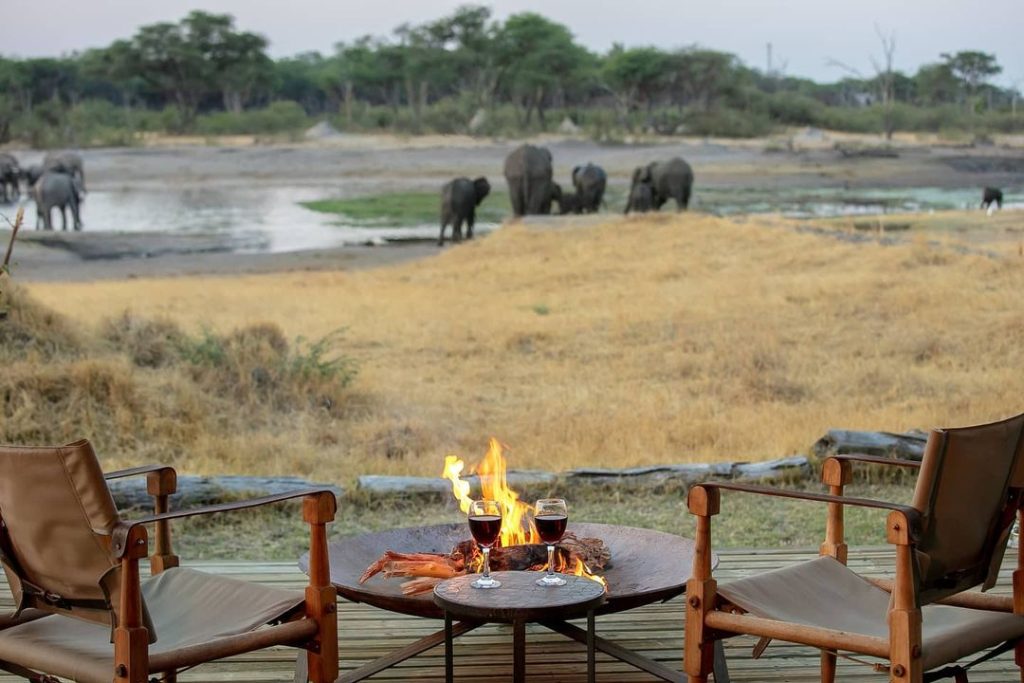
zimbabwe travel guide
WHERE TO STAY IN ZIMBABWE
Victoria Falls: Boma Dinner and Drum Show
4 hours | Small groupsÂ
 Pick up Available
Victoria Falls: Boma Dinner and Drum Show
4 hours | Small groupsÂ
 Pick up Available
Victoria Falls: Boma Dinner and Drum Show
4 hours | Small groupsÂ
 Pick up Available
Victoria Falls: Boma Dinner and Drum Show
4 hours | Small groupsÂ
 Pick up Available
Victoria Falls: Boma Dinner and Drum Show
4 hours | Small groupsÂ
 Pick up Available
Victoria Falls: Boma Dinner and Drum Show
4 hours | Small groupsÂ
 Pick up Available
Victoria Falls: Boma Dinner and Drum Show
4 hours | Small groupsÂ
 Pick up Available
Victoria Falls: Boma Dinner and Drum Show
4 hours | Small groupsÂ
 Pick up Available
Travel guide facts
Once known as the Breadbasket of Africa, since 2000, Zimbabwe has undergone an economic collapse and the rule of law has gradually but largely broken down, although there have been a few signs of improvement since the theoretical formation of a unity Government in 2009 and the Zimbabwean economy has been on the rebound.

- Capital: Harare
- Currency: Zimbabwean dollar (official for governmental transactions)
- Area: 390,757 km2
- Population: 14,44 million (2018)
- Language: English (official), Shona (official), Sindebele (official) (the language of the Ndebele), numerous but minor tribal dialects
- Religion:Syncretic (part Christian, part indigenous beliefs) 50%, Christian 25%, indigenous beliefs 24%, Muslim and other 1%
- Electricity: 220/50Hz (UK plug)
- 18 April, Independence Day
- 1 May, Workers’ Day
- 25 May, Africa Day
- 2nd Monday in August, Heroes’ Day
- 2nd Tuesday in August, Armed Forces Day
- 22 December, Unity Day
Also, Good Friday through Easter Monday.
- 18 April, Independence Day
- 1 May, Workers’ Day
- 25 May, Africa Day
- 2nd Monday in August, Heroes’ Day
- 2nd Tuesday in August, Armed Forces Day
- 22 December, Unity Day
Also, Good Friday through Easter Monday.
Best Time to visit zimbabwe
Zimbabwe has a subtropical climate with distinct rainy and dry seasons.
- The rainy season in Zimbabwe runs from November to April and it’s characterized by high humidity and heavy rainfall, particularly in the eastern and northeastern regions. During this time the vegetation is lush and green, making it an ideal time for bird watching and for visiting Victoria Falls, which are at their fullest.
- The dry season in Zimbabwe runs from May to October and it’s characterized by lower humidity and little to no rainfall. This is considered the best time for game viewing in national parks and for activities such as safari and hiking as the vegetation is less dense, making it easier to spot wildlife. It’s also a good time for outdoor activities and the weather is warm but not hot.
Please note that the seasons may vary depending on the location and altitude.
BEST TIME FOR:
ZIMBABWE TRAVEL COSTS
The cost of travel to Zimbabwe can vary depending on several factors such as the time of year, the length of stay, and the type of accommodations and activities you plan to do.
Here are a few estimates of costs for different aspects of travel to Zimbabwe:
- Airfare: Round-trip flights to Zimbabwe can range from $800 to $1,500 or more, depending on the departure city and time of year.
- Accommodation: Budget accommodations in Zimbabwe can range from $15 to $30 per night for a basic room, while more luxurious options can range from $50 to $150 or more per night.
- Food and drink: Basic meals can be found for as little as $5, while more upscale dining options can cost $20 or more.
- Transportation: Buses and trains are relatively cheap, with fares ranging from a few dollars for short trips to $50 or more for longer distances. Taxis are also readily available in most cities and towns, with fares generally around $1 per kilometer.
- Activities: Entrance fees to national parks and other tourist attractions can range from $10 to $50 or more, depending on the location and type of activity.
Overall, a budget of around $50 to $100 per day should be sufficient for budget travelers and around $150 to $300 per day for those looking for more comfortable accommodations and activities.
Please note that these are just estimates and the actual cost of travel will depend on your personal preferences, travel style and the availability of services at the time of your visit.
TRAVEL TIPS FOR ZIMBABWE
Here are a few travel tips for Zimbabwe :
- Plan ahead: Research the destinations you plan to visit, including the best time to go, what to see and do, and what to expect in terms of accommodation and transportation.
- Bring cash: The local currency is the Zimbabwean dollar, but US dollars are widely accepted. However, it’s important to note that cash is the most reliable form of payment, as credit and debit cards may not be accepted everywhere.
- Respect local customs: Zimbabwe is a culturally diverse country and it’s important to be respectful of local customs and traditions. This includes dress codes, customs around photography, and customs around interacting with local people.
- Vaccinations: Some vaccinations may be required for travel to Zimbabwe, such as Yellow Fever and Malaria. Be sure to consult with a healthcare professional before your trip to determine what vaccinations you may need.
- Be prepared for unexpected situations: Zimbabwe is a developing country and infrastructure may not always be reliable. Be prepared for unexpected situations and have a plan B in case of unforeseen events.
- Be careful with your belongings: As with any travel, be mindful of your belongings and take precautions to avoid becoming a target for theft.
- Respect wildlife: Zimbabwe is home to a wide variety of wildlife and it’s important to respect the animals and their habitat. This includes not littering, not feeding the animals, and not getting too close to them.
- Be aware of the security situation: Be aware of the security situation in the areas you plan to visit and take precautions to stay safe.
- Get a local sim card: It will be convenient to have a local sim card for internet and making calls.
- Have a good travel insurance: It’s a good idea to have a comprehensive travel insurance that covers medical expenses, trip cancellation, and lost or stolen belongings.
WHAT TO EAT IN ZIMBABWE
Zimbabwe has a unique and diverse cuisine that is influenced by the country’s history, culture, and geography. Here are a few traditional dishes and ingredients that you should try when visiting Zimbabwe:
- Sadza: A staple food in Zimbabwe, sadza is a thick porridge made from ground cornmeal. It’s typically served with a variety of stews or relishes made from vegetables, meat or fish, and is often eaten with the hands.
- Biltong: A dried and salted meat, similar to jerky, it’s a popular snack in Zimbabwe and is made from a variety of meats including beef, kudu, and impala.
- Chakalaka: A vegetable relish that is often served with sadza. It’s made from a mix of tomatoes, onions, peppers, and spices, and can be served hot or cold.
- Fried Tilapia: Tilapia is a freshwater fish that is commonly found in the lakes and rivers of Zimbabwe, it’s often served fried with a side of sadza.
- Matemba: A dried fish, it’s a popular snack in Zimbabwe and is often served with sadza or as a side dish.
- Dovi: A traditional dish made from peanut butter and vegetables, it’s typically served with sadza.
- Kapenta: A small fish that is caught in Lake Kariba and it’s popular in Zimbabwe, it’s often served fried or in a stew.
- Mopani worms: These are caterpillars of the emperor moth, they are a delicacy in Zimbabwe and are often fried or grilled.
Please note that these are just a few examples of the traditional dishes and ingredients that you can try in Zimbabwe and depending on your personal preferences, you may find other dishes that you enjoy more.